
How to Negotiate a Rear-End Accident Settlement Without a Lawyer: Risks to Know
You generally can negotiate a rear-end accident settlement without a lawyer, especially if the crash caused only minor property damage and no injuries. The process usually involves gathering evidence, calculating a fair range, sending a demand letter, and countering the adjuster’s offer, but unrepresented claimants often face pressure tactics and lowball numbers that make the process riskier than it looks.
Key Takeaways
- Documentation comes first: Photos, the police report, medical records, and repair estimates form the backbone of any negotiation, with or without an attorney.
- Adjusters often open low: A first offer from an insurance adjuster is rarely their final number, and unrepresented claimants sometimes accept it out of uncertainty.
- California minimum coverage can cap your recovery: The at-fault driver’s policy may carry only $30,000 per person and $60,000 per accident in liability coverage, which could limit what’s available regardless of how well you negotiate.
- Recorded statements carry risk: What you say to an adjuster before you understand your injuries fully can be used to reduce your claim later.
- A free case evaluation costs nothing before you sign: Getting a second opinion before accepting a final offer is generally a low-risk step, since many firms, including rearend.com, work on a no-fee-unless-you-win basis.
At a Glance: Self-Negotiation vs. Getting Help
| Factor | Negotiating Alone | Working With an Attorney |
|---|---|---|
| Upfront cost | None, but your time | Generally none upfront on a contingency basis |
| Typical timeline | Weeks to a few months for simple claims | Often similar, sometimes longer for disputed injury cases |
| Best fit | Minor damage, no injuries, clear fault | Injuries, disputed fault, or lowball offers |
| Common risk | Accepting an offer that doesn’t cover future medical needs | Fees reduce the final payout, though usually only if you recover money |
| Documentation needed | Photos, repair estimates, medical bills, police report | Same, plus case-building evidence and expert input |
| California liability minimum | $30,000 per person / $60,000 per accident | Same policy limits apply, but a firm may explore added coverage sources |
1. Gather and Organize Your Evidence Before You Call the Adjuster
Before you say a word to an insurance adjuster, pull together everything that supports your version of events. This step matters more than most people realize when you’re figuring out how to negotiate a rear-end accident settlement without a lawyer, because the adjuster’s opening number is often based on whatever documentation you hand over first.
Start with the basics: the police report, photos of both vehicles from multiple angles, dashcam footage if you have it, and contact information for any witnesses. If you were rear-ended while stopped, at a red light, or in slow traffic, the fault picture is often more straightforward, though it’s still worth reviewing our step-by-step breakdown of who pays after a red-light rear-end crash if that matches your situation.
Next, collect every medical record tied to the crash, from the ER visit to physical therapy notes. If you’re still experiencing symptoms, our guide on tracking neck pain that appears days after a rear-end accident explains why delayed symptoms are common and how to document them properly. Finally, get a written repair estimate or total-loss valuation for your vehicle. Skipping any of these pieces gives the adjuster more room to argue your claim is worth less than it actually is.
2. Calculate a Realistic Settlement Range
Once your documentation is in order, add up your economic losses: medical bills to date, estimated future treatment, lost wages, and property damage. Many claimants then apply a rough multiplier for pain and discomfort, though this figure varies widely depending on injury severity, recovery time, and how the crash affected daily life. There’s no fixed formula insurers are required to use, and settlement amount factors can shift based on things victims rarely anticipate going in.
Some people turn to online tools for a quick number, but a rear-end accident settlement calculator generally can’t account for your specific medical needs or fault questions, so treat any result as a loose starting point rather than a target figure. It’s usually more useful to build your number from your actual bills and records than from a generic estimate.
3. Send a Demand Letter With Supporting Documentation
A demand letter lays out what happened, why the other driver was at fault, what injuries or damage resulted, and what amount you’re requesting to resolve the claim. Keep the tone factual and avoid absolute language like “this proves” or “you must pay.” Instead, present the evidence and let it speak for itself.
Attach copies (not originals) of your medical bills, repair estimates, photos, and the police report. State a specific number, generally somewhat higher than your calculated range, since the adjuster will likely counter below it. Set a reasonable response deadline, often two to three weeks, and keep a copy of everything you send.
4. Negotiate the Adjuster’s Counteroffer Step by Step
Expect the first response to be lower than your demand. This is a normal part of the back-and-forth, not necessarily a sign of bad faith, though some adjusters do use it as a testing tactic to see if you’ll accept quickly out of frustration or financial pressure.

Respond to each counteroffer in writing when possible, and ask the adjuster to explain specifically why they reduced any line item. If they say your medical treatment was excessive or unrelated, ask for the basis of that opinion in writing. If an adjuster calls asking for a recorded statement early in the process, it’s worth reviewing our guide on whether you have to talk to an adjuster who calls after an accident before agreeing to anything on the spot. You generally don’t have to answer detailed questions immediately, and taking time to prepare rarely hurts your position.
Continue exchanging offers until you reach a number that reflects your documented losses, or until it becomes clear the adjuster won’t move further without additional leverage.
Common Pitfalls Unrepresented Claimants Face With Adjusters
Handling a claim yourself can work, but several patterns show up often enough that they’re worth naming directly.
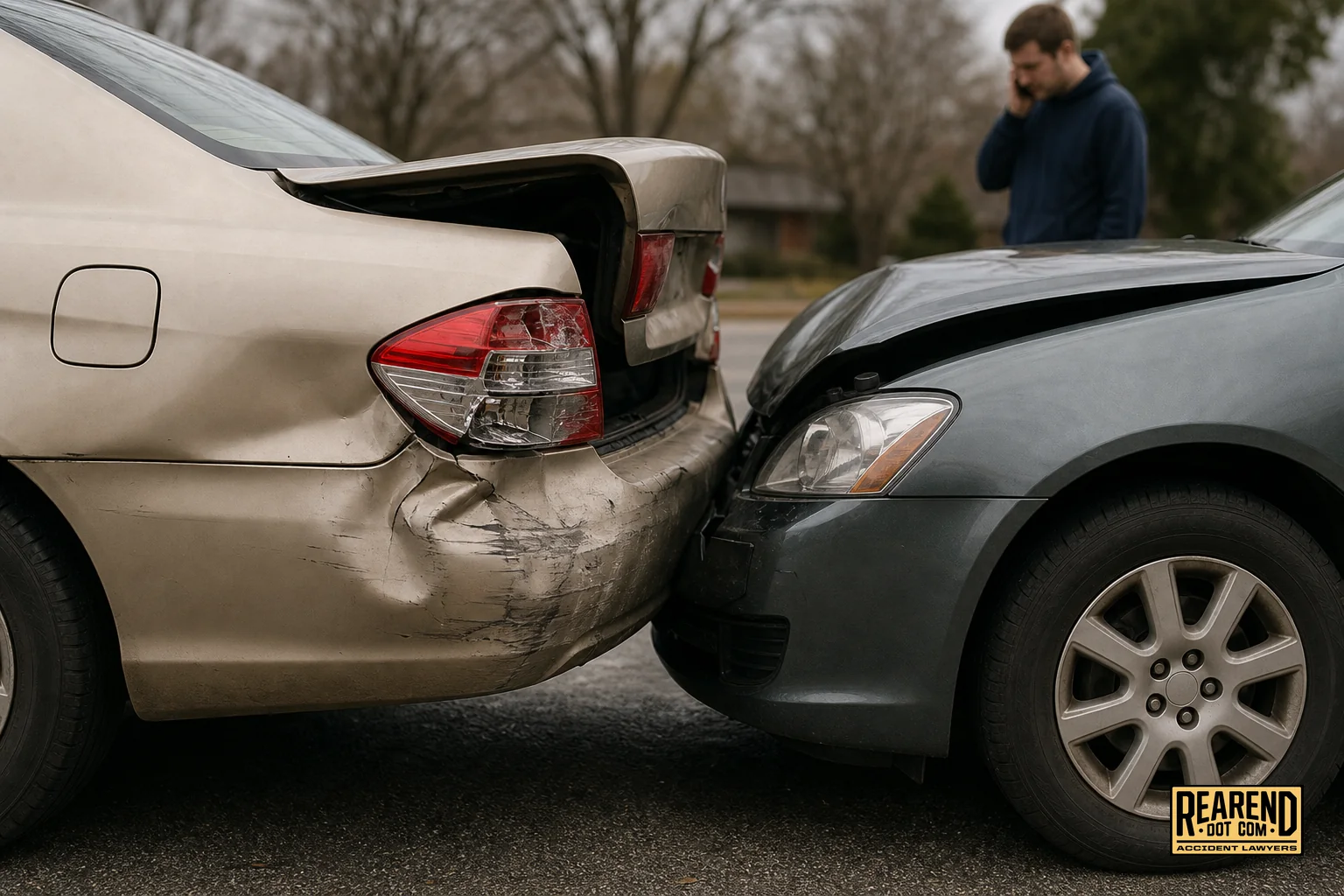
- Lowball first offers: Adjusters may open well below what a claim is likely worth, hoping you’ll accept before consulting anyone else.
- Speed pressure: Some adjusters push for a quick resolution before your medical treatment is complete, which can mean settling before you know the full extent of your injuries.
- Minimizing injuries: Soft tissue injuries like whiplash are sometimes labeled minor by adjusters even when they’ve caused real disruption to daily life.
- Broad medical record requests: An adjuster may ask you to sign a release covering your entire medical history, not just records related to the crash, which can open the door to unrelated past conditions being used against you.
- Policy limit surprises: California generally requires only $30,000 per person and $60,000 per accident in liability coverage. If the at-fault driver carries just the minimum, that cap could apply no matter how strong your documentation is. Our piece on whether California’s minimum coverage is enough after a crash walks through what happens when bills exceed available insurance.
Claimants without legal representation are often the ones targeted with these tactics, partly because adjusters know a claimant negotiating alone may not recognize when an offer, or a request, isn’t in their favor.
When Self-Negotiation Tends to Work — and When It Doesn’t
Handling your own claim tends to go more smoothly when the crash resulted in minor, clearly documented property damage, little to no injuries, and the at-fault driver’s insurer has already accepted liability. In those situations, the negotiation is mostly a matter of matching a repair estimate to a payout.
It gets more complicated when injuries are involved, fault is disputed, or more than one vehicle is part of the crash. If you were part of a chain-reaction collision, working out who’s responsible can be its own challenge; our guide on liability in a multi-car pileup rear-end accident covers how fault often gets divided in those cases. Passengers navigating a claim separately from the driver face a different set of questions too, which our guide for passengers injured in a rear-end accident addresses in more detail. If any of these factors apply to your case, self-negotiation carries meaningfully more risk.
Before You Sign: Questions to Ask Yourself
Before accepting any settlement offer, it helps to pause and ask a few direct questions. Does the offer account for future medical care, not just bills already paid? Have you reached maximum medical improvement, meaning your doctor believes your condition has stabilized? Does the number reflect lost wages accurately, including any reduced earning capacity going forward?
If you’re unsure how to answer any of these, it may be worth reviewing common red flags that show up when an adjuster is pushing you toward a fast settlement before moving forward. Once you sign a release, the claim is generally closed for good, even if new symptoms appear later.
When a Free Case Evaluation Is Worth Exploring
Negotiating without a lawyer is a legitimate path for some claims, but it doesn’t mean you have to go it alone at every step. Getting a second look at an offer before you finalize anything is generally low-risk, since a free case evaluation costs nothing and doesn’t obligate you to hire anyone.
This is particularly worth considering if the adjuster’s offer feels low relative to your bills, if you’re still being treated for injuries, or if the at-fault driver’s coverage appears limited to California’s minimum. Rearend.com offers a free, no-obligation review of your claim, and because representation works on a no-fee-unless-you-win basis, exploring your options doesn’t put money on the line upfront. If your car also needs repairs, you can separately find trusted local auto body shops to get that part of the process moving while your claim is reviewed.
Before you sign anything final, it’s worth taking a few minutes to review your claim for free and confirm the number on the table actually reflects what your case is worth.
Frequently Asked Questions
Can I sue if I was rear-ended?
Generally, yes. Being rear-ended doesn’t automatically guarantee compensation, but it often supports a claim against the at-fault driver, particularly when fault is well documented through photos, witness statements, or a police report.
How long does a rear-end accident settlement take?
It varies. Straightforward claims with clear fault and minor damage may resolve in a matter of weeks, while claims involving ongoing medical treatment or disputed liability can take several months or longer.
How much does a rear-end accident settlement pay out?
There’s no set number. Payouts depend on medical costs, lost wages, property damage, and how the injury affected daily life, along with the at-fault driver’s available insurance coverage.
Is there a lawyer who specializes specifically in rear-end accidents?
No formal legal specialization exists for rear-end collisions specifically. Instead, look for a skilled accident attorney who has handled numerous rear-end cases and understands the common patterns adjusters use in these claims.
Negotiating your own rear-end accident settlement is possible, but the process rewards patience, organization, and a clear sense of what your claim is actually worth. If you’d rather not carry that weight alone, or you just want a second opinion before you sign, start your claim review with rearend.com and find out where you stand before making any offer final.
Related Articles


Need Legal Help After a Rear-End Accident?
Get a free consultation with our experienced legal team