
Rear-end accident attorney san jose rideshare driver hit me: A practical guide
If a rideshare driver rear-ended you in San Jose, the insurance policy that pays your claim usually depends on one detail: whether the driver’s app was off, on and waiting for a ride, or actively carrying a passenger. A rear-end accident attorney san jose rideshare driver hit me situation calls for often starts by pulling the trip data that shows exactly which of Uber’s or Lyft’s coverage tiers may have applied at the moment of impact.
Key Takeaways
- App status decides everything: Coverage can range from the driver’s personal policy alone to a rideshare company’s commercial liability policy, depending on what the app showed at the time of the crash. Policy limits and terms vary by carrier and should be confirmed with the applicable insurer.
- Contingent coverage has lower limits: When a driver has the app on but hasn’t accepted a ride, a separate, lower-limit contingent liability coverage tier may apply; specific limits vary and should be confirmed with the applicable insurer or current policy documents.
- Full commercial coverage kicks in once a ride is accepted: From ride acceptance through drop-off, rideshare companies generally maintain a higher-limit third-party liability policy; the exact limits should be confirmed with the applicable insurer or current policy documents.
- California’s minimum coverage is much lower: If the driver’s app was off, you may be limited to the state’s minimum required liability coverage; current statutory minimums should be verified, as they can change over time.
- Evidence of app status matters early: Screenshots, witness accounts, and the police report notation about rideshare involvement can determine which insurer ends up responding to your claim.
At a Glance: San Jose Rideshare Rear-End Coverage Tiers
| App Status at Impact | Likely Coverage Tier | Typical Liability Limits | Who Usually Pays |
|---|---|---|---|
| App completely off | Driver’s personal auto policy | California’s statutory minimum (verify current limits) | Driver’s personal insurer |
| App on, waiting for a ride request | Rideshare contingent liability coverage | Lower-limit contingent tier (confirm exact limits with insurer) | Rideshare company’s contingent policy (if driver’s personal policy denies or is insufficient) |
| Ride accepted, en route to pickup | Rideshare commercial policy | Higher-limit commercial tier (confirm exact limits with insurer) | Rideshare company’s commercial insurer |
| Passenger in car | Rideshare commercial policy | Higher-limit commercial tier (confirm exact limits with insurer) | Rideshare company’s commercial insurer |
| Disputed app status | Depends on trip log evidence | Varies by tier | Determined after records request |
Rear-end crashes involving Uber and Lyft drivers happen often around downtown San Jose, along the 101 and 87 corridors, and near San Jose Mineta International Airport, where rideshare pickups and drop-offs are common. These crashes can look like any other fender bender at first. The insurance picture underneath, however, is more layered than a typical two-car collision.
1. Figure Out What the Rideshare Driver’s App Status Was
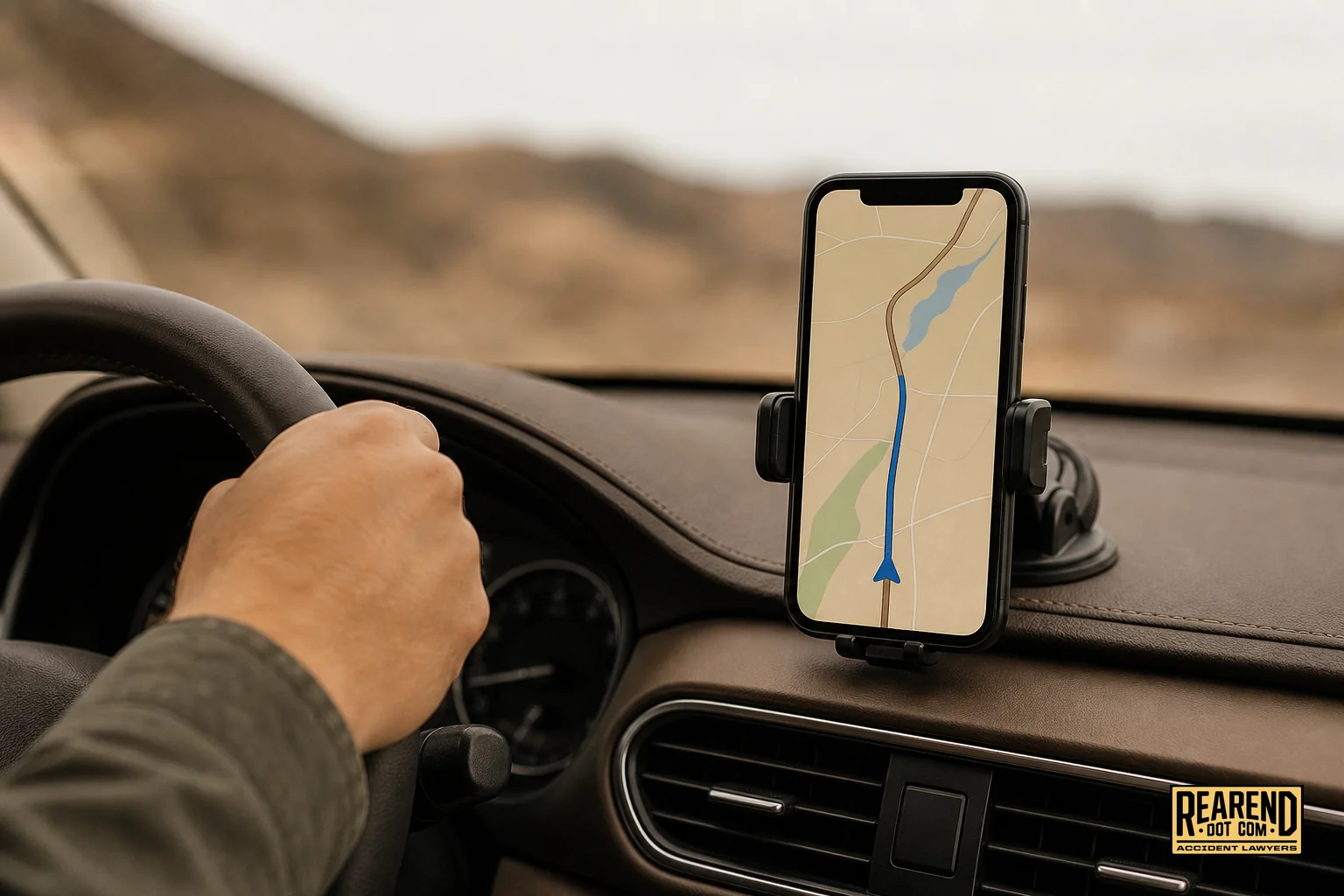
The single most important question after a rideshare rear-end crash is simple: was the app open? California treats rideshare coverage in three distinct periods, and each one may trigger a different policy.
- Period 0 (app off): The driver is using their personal vehicle for personal reasons. Only their own auto policy applies.
- Period 1 (app on, no ride accepted): The driver is logged in and waiting. Rideshare companies generally provide a contingent liability coverage tier here, which is typically lower than their full commercial policy; exact terms vary by company and should be confirmed with the applicable insurer.
- Periods 2 and 3 (ride accepted through drop-off): The driver is en route to a passenger or has one in the car. This is generally when the rideshare company’s commercial policy applies; exact limits vary and should be confirmed with the applicable insurer.
A driver’s app status is not always obvious right after a crash. Some drivers don’t want to admit they were working, since it can affect who pays. That’s part of why documenting app status matters so much in the first hour after impact.
2. Understand the Three Insurance Layers That Might Apply
Because rideshare crashes can involve overlapping policies, claims sometimes stall while insurers point at each other. Here’s a closer look at the layers an attorney has to sort through:
- The driver’s personal auto policy: Many personal policies exclude coverage for commercial activity like rideshare driving, which is one reason rideshare companies layer their own coverage on top.
- The rideshare company’s contingent liability policy: This applies when the driver’s personal insurer denies the claim because the driver was logged into the app but hadn’t accepted a ride yet.
- The rideshare company’s commercial liability policy: Once a ride is accepted, this generally becomes the primary policy, and it typically offers the highest limits among the three tiers; exact figures should be confirmed with the applicable insurer.
These layers were designed to close coverage gaps that existed in the earlier days of rideshare apps. In practice, they can still create confusion about which insurer is supposed to respond first, especially if the driver disputes their app status or the rideshare company’s records take time to produce.
3. Gather Evidence That Proves the App Was Active
Because coverage tier depends on app status, evidence collected soon after the crash can carry real weight. Consider gathering:
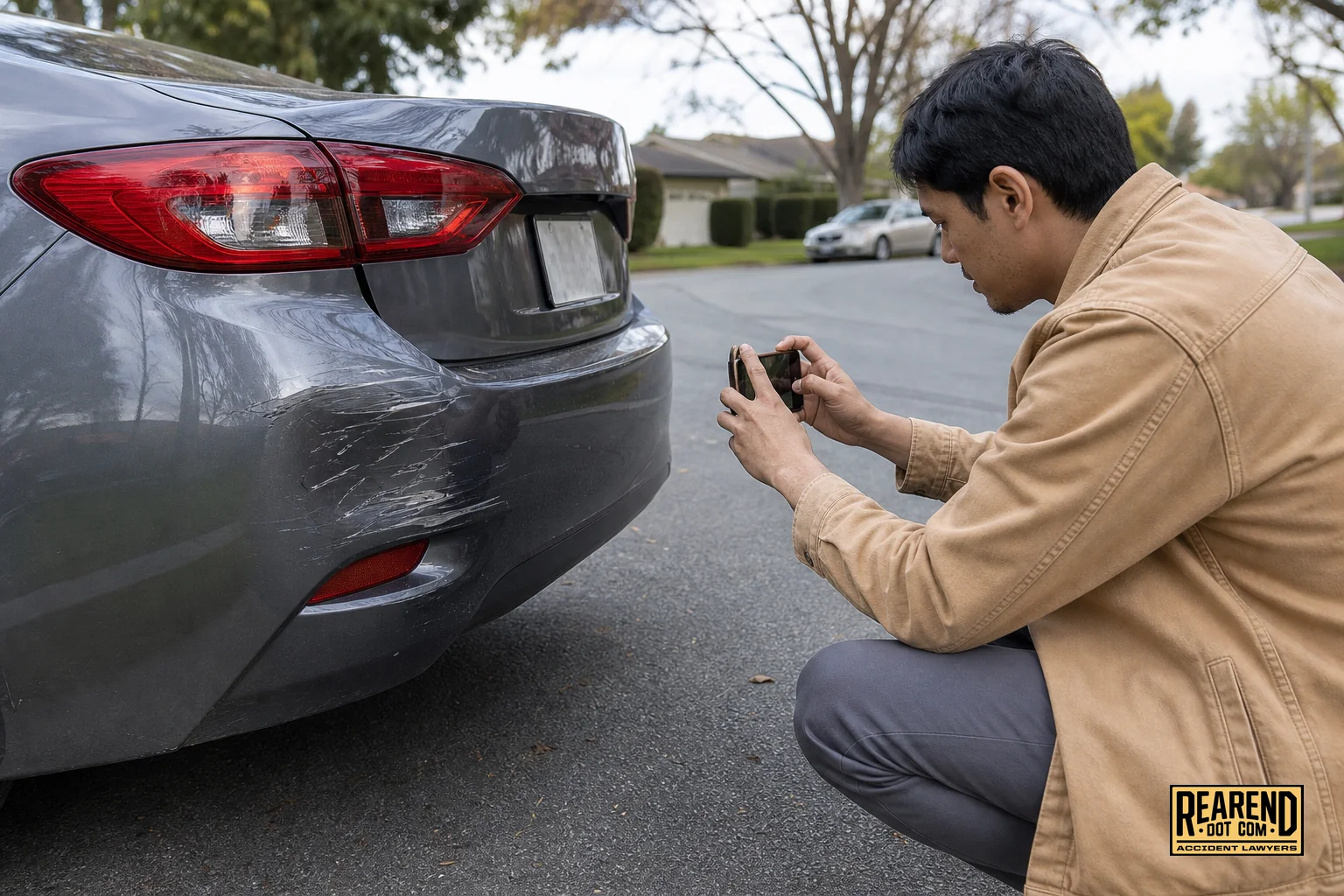
- A photo or screenshot of the rideshare driver’s phone, if visible, showing the app open
- Statements from any passenger in the rideshare vehicle about the trip status
- The police report, noting whether the officer recorded that a rideshare vehicle was involved
- Your own dashcam footage or nearby surveillance video, if available
If you were rear-ended while stopped in traffic and the vehicle behind you turned out to be a rideshare car, the documentation steps are similar to what to do in the first hour after any rear-end crash, with the added step of noting any rideshare branding or app visibility.
4. Know How San Jose’s Minimum Coverage Rules Interact With Rideshare Policies
California requires a minimum level of liability coverage for personal auto policies; current statutory minimums should be verified, as they can change over time. That’s the floor for any personal auto policy in the state, and it’s also the level that could apply if the rideshare driver’s app was off at the time of the crash.
Even when the rideshare company’s larger commercial policy applies, gaps can still show up. Medical bills, lost wages, and vehicle repair costs can add up quickly after a rear-end crash, and settlement negotiations can take longer when multiple insurers are involved. Comparing the potential payout tiers is part of why many people ask what factors affect a rear-end accident settlement amount before they decide how to proceed with a claim.
It’s also worth remembering that if you were the one rear-ended by an uninsured or underinsured driver instead of a rideshare vehicle, a different set of steps applies. Our guide on what happens next when you’re rear-ended by an uninsured driver walks through your own policy’s uninsured motorist coverage as a backstop.
5. Work With an Attorney to Identify the Correct Policy and Negotiate
Sorting out which policy applies is rarely something a claimant can do alone, since rideshare companies don’t hand over trip logs voluntarily in most cases. An attorney who focuses on rear-end cases can request these records formally, sometimes through a subpoena, to establish exactly when the app changed status.
Rideshare companies’ insurers may also dispute liability or argue the driver was between rides at the time of impact, which can lower the applicable coverage tier. Having someone push back on that determination, backed by evidence, often makes a meaningful difference in how a claim gets resolved.
This is also where questions about hiring the right representation come up. If you’re comparing options, our list of questions to ask a rear-end accident attorney can help you evaluate whether a firm has handled rideshare-specific claims before, since not every personal injury lawyer regularly works through multi-tier insurance disputes like these.

RearEnd.com offers a free case evaluation to help you understand which coverage tier likely applies to your situation, with no fee unless compensation is recovered. If you’d rather start by seeing how your claim stacks up, you can review your claim in just a few clicks for free.
Frequently Asked Questions
Can I sue Uber or Lyft directly after a rear-end crash?
Generally, injury claims are directed at the applicable insurance policy rather than the rideshare company itself, since Uber and Lyft classify their drivers as independent contractors. An attorney can help determine whether the claim should be filed against the driver’s personal insurer, the contingent coverage, or the commercial policy, based on the app status at the time of the crash.
What if the rideshare driver says the app was off, but I think it was on?
This is a common point of dispute. Trip logs held by the rideshare company can often confirm app status more reliably than a driver’s recollection. An attorney can request these records as part of building your claim.
How long does a rideshare rear-end claim take in San Jose?
Timelines vary depending on how many insurers are involved and how quickly the rideshare company produces trip data. Claims involving disputed app status or multiple coverage layers can take longer than a straightforward two-car crash. Our broader guide on how long a rear-end accident settlement usually takes covers general timeline expectations, though rideshare-specific disputes can add extra steps.
What happens to my car after a rear-end collision repair?
Once liability and the responsible insurer are sorted out, you can generally move forward with repair estimates and, if needed, a rental vehicle while your car is in the shop. If you’re not sure where to take your vehicle, RearEnd.com can help you find trusted local auto body shops near San Jose.
Does it matter if I was a passenger in the rideshare vehicle instead of the other driver?
Yes, the analysis shifts somewhat. If you were riding in the car that got rear-ended, you may have a claim against the driver who hit you rather than the rideshare driver. Our guide on being a passenger injured in a rear-end accident walks through how liability generally works in that scenario.
Rideshare rear-end crashes in San Jose involve more moving parts than a typical claim, but that doesn’t mean you have to sort out the coverage tiers on your own. Start your claim today and let an attorney who focuses on rear-end cases help identify which policy applies to your situation, at no cost unless your case recovers compensation.
Prior results do not guarantee a similar outcome. — Rearend.com
Related Articles


Need Legal Help After a Rear-End Accident?
Get a free consultation with our experienced legal team