
Rear-ended by uninsured driver what happens next: A practical guide
If you were rear-ended by an uninsured driver, the at-fault driver’s own insurance won’t be there to pay your bills, so your next move usually involves your own policy’s uninsured motorist coverage, your health insurance, and possibly a direct claim against the driver. Knowing which of these paths applies to your situation can determine whether your medical bills and repairs get covered at all.
Key Takeaways
- Uninsured motorist (UM) coverage is usually the main path: if your policy includes it, it can pay for your injuries when the at-fault driver has no insurance.
- California doesn’t require UM coverage: insurers must offer it, but drivers can decline it in writing, so check your declarations page before assuming you have it.
- Your health insurance or MedPay often covers bills first: while a UM claim is being reviewed, these can help keep medical care moving.
- You may still be able to pursue the uninsured driver personally: a court judgment is possible, though collecting on it can be difficult if the driver has few assets.
- An attorney who focuses on rear-end cases can map out overlapping coverage: a free case evaluation can clarify what compensation paths remain realistic for your situation.
At a Glance: Your Options After Being Hit by an Uninsured Driver
| Option | What It May Cover | Typical Timeline | Key Consideration |
|---|---|---|---|
| Uninsured Motorist Bodily Injury (UM) | Medical bills, pain and suffering, lost wages | Weeks to several months | Only available if you carry this coverage |
| Uninsured Motorist Property Damage (UMPD) | Vehicle repair or replacement | Days to a few weeks | Not offered in every state; check your policy |
| Collision coverage | Vehicle repair regardless of fault | Days to a couple weeks | Usually involves your deductible |
| Health insurance / MedPay | Medical treatment costs | Ongoing as treated | May involve copays or reimbursement later |
| Direct claim against the driver | Any damages a court awards | Many months to over a year | Collecting payment can be difficult |
1. Confirm the Other Driver Actually Has No Insurance
Before assuming your case is a total loss on coverage, verify the facts. Police reports sometimes list outdated or incorrect insurance information, and a driver who tells you at the scene that they “don’t have insurance” might actually have a lapsed or newly reinstated policy. Your own insurer can typically confirm coverage status through state databases faster than you can on your own.
It’s also possible the driver had insurance that later got cancelled for nonpayment, which is a common but often overlooked scenario. Either way, don’t close the door on a standard liability claim until this is confirmed in writing.
2. Understand How Uninsured Motorist (UM) Coverage Works
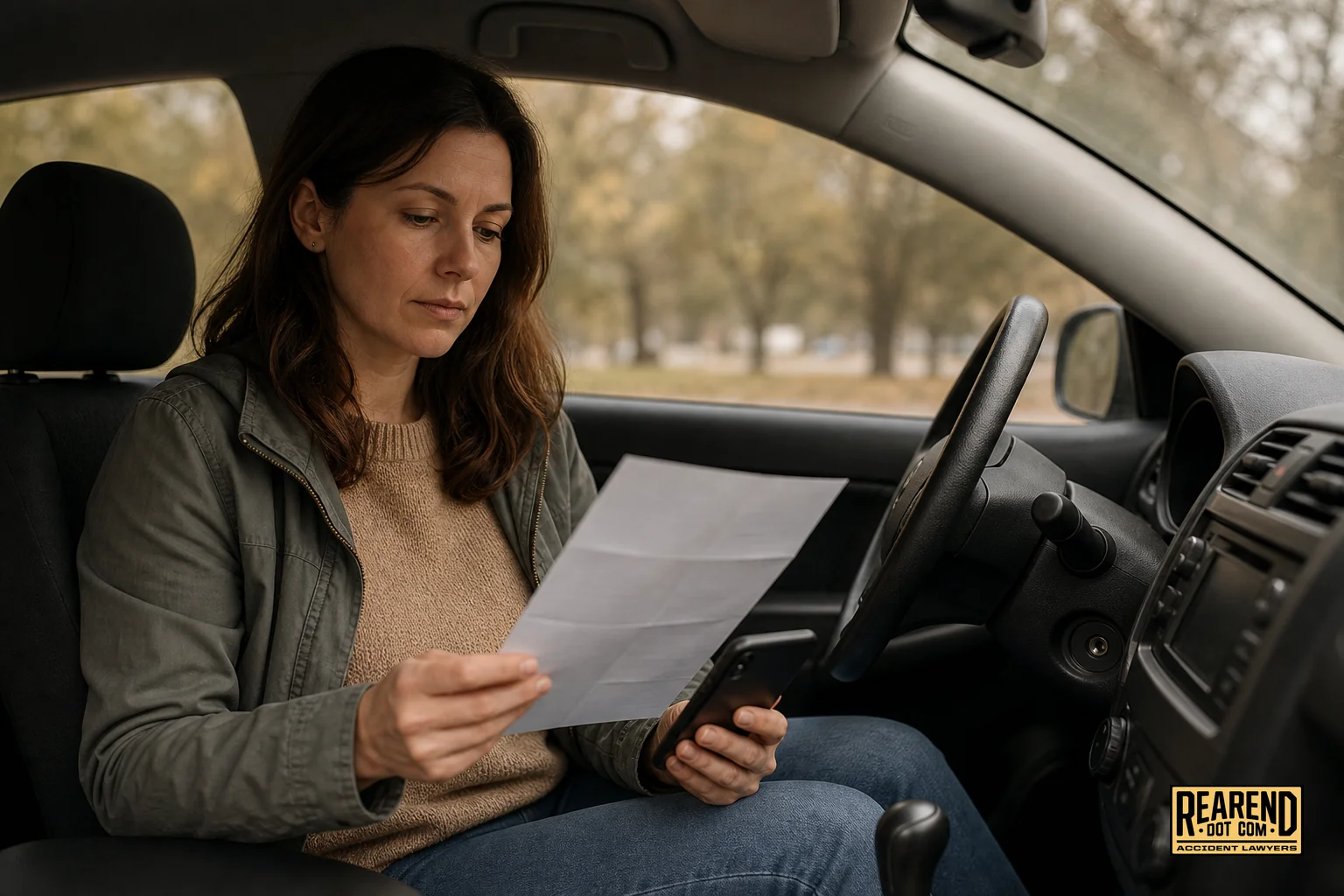
Uninsured motorist coverage is built for exactly this situation: an at-fault driver with no policy at all. If you carry UM coverage, you file the claim with your own insurance company, and it can pay for injury-related costs much like a liability claim would, including medical expenses, lost income, and pain and suffering, up to your policy limits.
Many California drivers assume UM coverage comes standard, but the state doesn’t legally require it. Insurers must offer it, though drivers can waive it in writing to lower their premium. If you’re not sure whether you have it, your declarations page will list “Uninsured Motorist Bodily Injury” (UM) and sometimes “Uninsured Motorist Property Damage” (UMPD) as separate line items.
UM limits often match your liability limits, though you can sometimes purchase higher UM limits separately. If your bills or losses go above your UM limit, that’s typically where the compensation stops from this source alone, which is part of why understanding whether minimum coverage is enough matters even for your own policy choices.
3. Check for Other Coverage That Can Help Right Away
While a UM claim is reviewed, you don’t have to sit and wait for medical bills to pile up. A few other coverage sources can help bridge the gap:
- MedPay (Medical Payments coverage): pays medical bills regardless of fault, often without a deductible, up to your policy limit.
- Health insurance: can cover treatment now, with your insurer potentially seeking reimbursement later from any settlement (a process called subrogation).
- Collision coverage: pays for vehicle repairs regardless of who caused the crash, minus your deductible, which you may later recover through a UMPD claim if you have it.
Using these resources doesn’t mean giving up on pursuing the uninsured driver for the rest of your losses. It simply keeps your recovery and repairs moving while other claims are sorted out.
4. Report the Claim to Your Own Insurer
Because there’s no at-fault insurer to notify, you’ll file the UM claim directly with your own company. This can feel confusing since you’re essentially asking your own insurer to pay for someone else’s mistake, and some insurers treat UM claims with the same scrutiny (or pushback) they’d apply to a claim against a stranger.
It’s not unusual for an insurer to dispute the severity of your injuries, question whether the collision caused your symptoms, or offer less than what your bills reflect. This is a similar dynamic to how insurers sometimes respond after any rear-end claim, even when the claim is against your own policy.
Filing a UM claim with your own insurer doesn’t guarantee a smooth process. Document your injuries, treatment, and losses as thoroughly as you would in any other claim.
California Minimum Coverage Context
California requires drivers who do carry insurance to hold at least $30,000 per person and $60,000 per accident in liability coverage. That amount can fall short for many rear-end injuries once medical bills, lost wages, and vehicle repair costs are added up, and it’s a big part of why underinsured motorist coverage exists alongside uninsured motorist coverage.
An underinsured driver still has a policy, just not enough to cover your full losses. If you were rear-ended by someone whose coverage is too thin rather than nonexistent, similar UM/UIM provisions in your own policy may still apply. For a deeper look at how minimum coverage plays out locally, see this breakdown of Oceanside rear-end crashes and California’s minimum coverage rules.
According to the California Department of Insurance, drivers are encouraged to review their own uninsured and underinsured motorist limits precisely because so many drivers on the road carry only the state minimum, or none at all.
5. Consider Pursuing the Uninsured Driver Directly
Even without an insurance policy behind them, the uninsured driver is still personally responsible for the crash. You can generally sue that driver directly for damages related to the collision, whether or not you also have a UM claim in progress.
The practical challenge is collection. A court judgment confirms you’re owed money, but it doesn’t automatically produce a check. If the driver has few assets, no steady income, or files for bankruptcy, collecting the full judgment can take time or may not fully happen. That said, some drivers do have wages, property, or assets that can be pursued through legal channels like wage garnishment, depending on your state’s rules.
This is a decision worth discussing with an attorney who focuses on rear-end cases, since the value of pursuing a direct claim often depends on specific facts about the driver’s financial situation, not just the strength of your case.
6. Get Your Vehicle Repaired Without Waiting on a Slow Claim
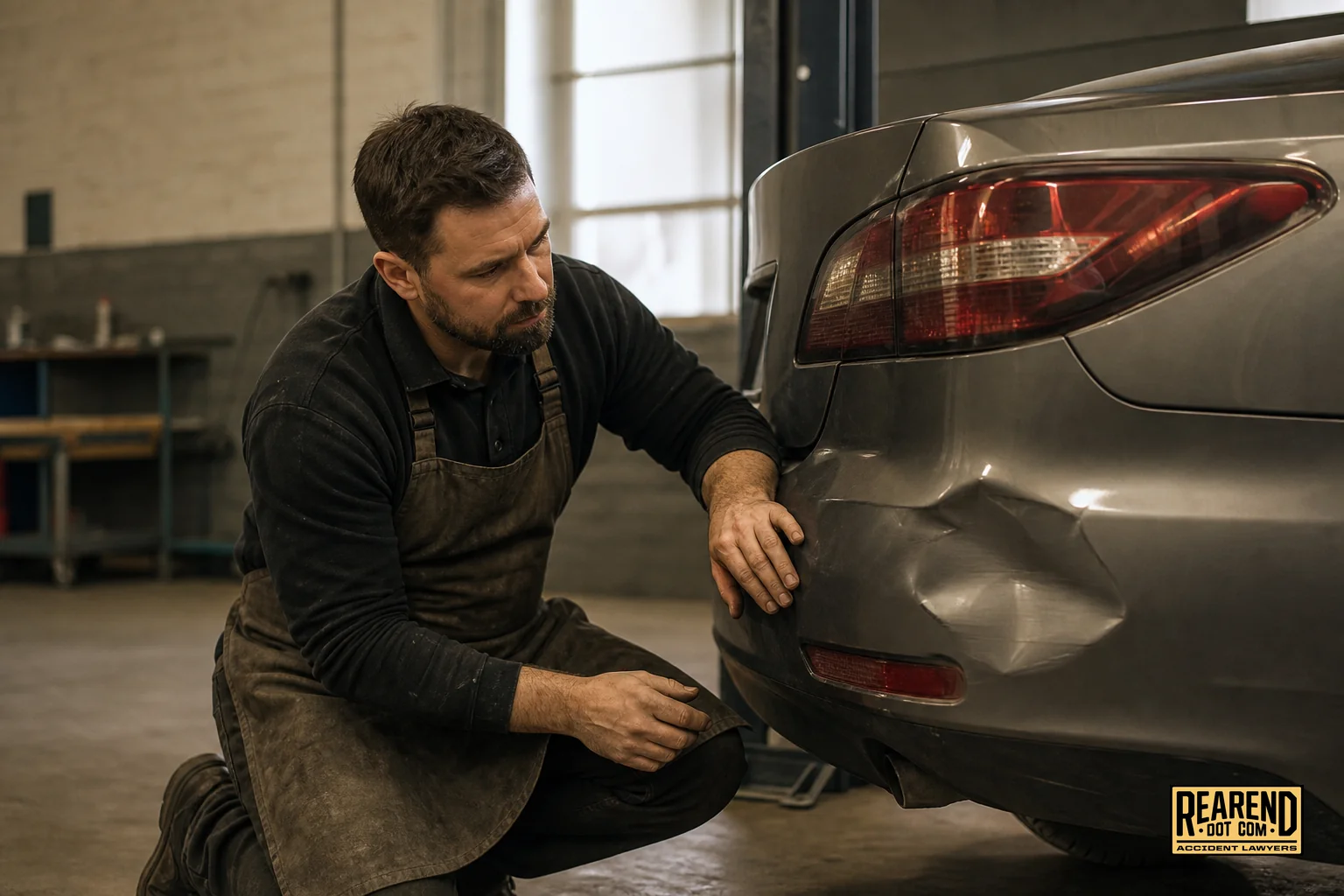
Vehicle repair often can’t wait for a lengthy claims process to resolve. If you have collision coverage, using it to get your car repaired now, then seeking reimbursement of your deductible through a UMPD claim later if you have that coverage, is usually the fastest path back on the road.
Choosing a trustworthy repair shop also matters, especially when you’re dealing with an unfamiliar claims process. You can find trusted local auto body shops to help get an accurate repair estimate and avoid delays that sometimes come with unfamiliar or lower-quality shops.
How a Rear-End Accident Attorney Can Help Sort Out Overlapping Coverage
Being rear-ended by an uninsured driver often means juggling several coverage sources at once: your health insurance, MedPay, collision coverage, UM/UIM coverage, and possibly a direct claim against the driver. Sorting out which applies, in what order, and how they interact isn’t always straightforward, and insurers aren’t always quick to point you toward the coverage that helps you most.
An accident attorney who has handled numerous rear-end cases can review your policy, identify every coverage source that may apply, and help you understand realistic outcomes before you sign anything or accept an early settlement offer. This kind of review is often most useful before you agree to any number an insurer proposes, since early offers on UM claims can undervalue long-term medical needs, similar to patterns discussed in this look at what affects rear-end settlement payouts.
If you’re unrepresented and unsure where to start, a free case evaluation can clarify whether pursuing your UM claim, a direct claim against the driver, or both makes sense for your circumstances. Many firms, including those working with rearend.com, operate on a no-fee-unless-you-win basis, which can reduce the financial risk of getting a professional opinion before you decide anything. If you’re still weighing whether representation is worth it at all, these questions to ask before signing with an attorney can help you evaluate your options, and this explanation of typical rear-end accident lawyer costs and fees can clear up how contingency arrangements generally work.
Frequently Asked Questions
Can I sue if I was rear-ended by an uninsured driver?
Generally, yes. You can pursue a direct claim against the driver personally, separate from any uninsured motorist claim filed with your own insurer. Whether it’s worth pursuing often depends on the driver’s ability to pay a judgment.
How long does an uninsured motorist claim take?
It varies. Some UM claims resolve in a few weeks if the facts and damages are clear-cut, while others take several months, particularly if your insurer disputes the extent of your injuries or the value of your claim.
Does filing a UM claim raise my insurance rate?
Some states restrict insurers from raising rates specifically because you filed a UM claim through no fault of your own, though practices vary by insurer and state. It’s worth asking your agent directly about your specific policy.
What about rear-end collision repair if the other driver has no insurance?
If you carry collision coverage, you can generally use it to repair your vehicle regardless of who caused the crash, then potentially recover your deductible through a UMPD claim if that coverage applies to your policy.
Being rear-ended by a driver with no insurance can feel like the deck is stacked against you, but coverage options and legal paths often remain available even when the at-fault driver’s policy doesn’t exist. If you’re not sure where your case stands, start my claim today and get a clearer picture of what compensation paths may still be open to you.
Related Articles


Need Legal Help After a Rear-End Accident?
Get a free consultation with our experienced legal team